
At the 2025 RHS Chelsea Flower Show, indoor plants were no longer just decorative accents, but directly participated in shaping the ambiance of the space. They were like old friends reintroduced to the public—familiar, yet appearing in a renewed and more complete form.
1. The Revival of Ferns: From Background to Emotional Protagonist
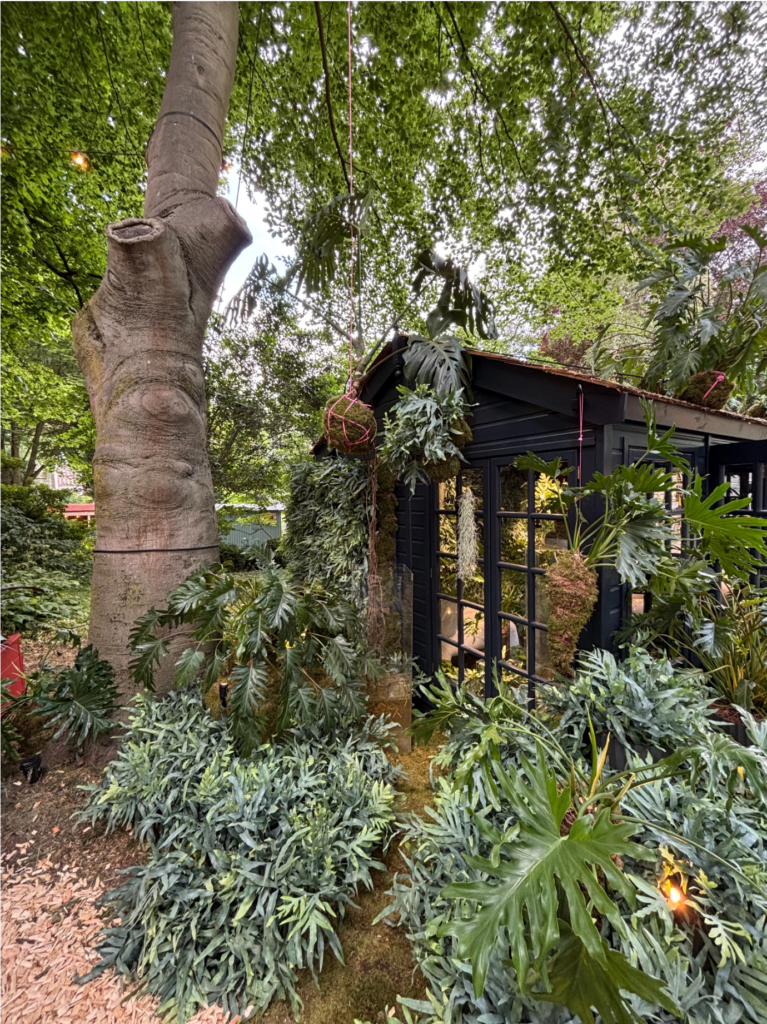
Ferns, often considered “background greenery,” were placed in the spotlight this year. Designers abandoned the usual Boston ferns, instead using blue star ferns, maidenhair ferns, and various subtropical varieties, creating a layered planting effect that evoked the light and shadow and humid atmosphere of a misty forest.
In these arrangements, ferns were no longer merely filling blank spaces, but rather, with their delicate leaf shapes and layering, bringing a soft, flowing, and slightly hazy emotional backdrop to the space.
2. Giant Kodama: Plant Sculptures Floating in the Air
Originating from Japan, kodama art was pushed to a more dramatic scale at this year’s show. Enlarged kodama sculptures are suspended between steel structures and frames, while Monstera deliciosa, peace lilies, and heart-shaped philodendrons resemble slowly breathing “green lights.”
These installations are no longer mere decorations, but rather an integral part of the spatial structure: they define movement, eye level, and the rhythm of lingering, encouraging people to look up, pause, and slow their pace amidst the greenery.
3. The Drooping Lines of Air Plants: Lightweight Yet Highly Prestigious
Air plants, especially varieties like Spanish moss, are remarkably free because they require no substrate. In the exhibition, they are used to soften the edges of mirrored surfaces, adorn open shelves, and occupy vertical space with their slender, drooping branches.
These plants require minimal maintenance yet offer a high visual return, making them particularly suitable for bright, humid kitchens and bathrooms, adding a touch of drama to everyday scenes in a subtly elegant way.
4. Indoor Plants Go Outdoors: A Seasonal Attempt to Blur Boundaries
A significant change is the introduction of some traditionally “indoor” foliage plants into outdoor potted arrangements and shaded terraces. Plants like coleus, nerve plants, and variegated foliage, paired with summer flowers in shady environments, create a transitional atmosphere between a courtyard and a living room.
This approach emphasizes seasonality—they cannot be kept outdoors in the cold winter, but can help people experience a “seamless indoor-outdoor” living environment during the right months, allowing plants to truly participate in the living experience, rather than being limited to a specific functional label.
5. Succulents Transformed into Sculptures: Quiet Yet Captivating
Succulents have been liberated from the framework of “small potted plants,” appearing in more structured forms. Mature jade plants, clusters of echeveria, and layered Crassula ovata, like natural works sculpted by time, are treated as independent display focal points.
They don’t attract attention with elaborate colors and flower patterns, but rather with their slow growth, stable forms, and slightly desert-like quality, occupying a very pleasing presence in the space.
6. Exhibition Areas and Sounds: The Need for More Fresh Storytellers
This year, there were slightly fewer dedicated Houseplant Studios exhibits than in previous years, with many installations coming from teams that have exhibited multiple times. While it’s gratifying to see familiar names consistently producing solid work, it also raises the expectation that more new faces will join the narrative, allowing the story of indoor plants to extend beyond existing vocabulary.
Within a rapidly growing community of enthusiasts, those who quietly experiment with new forms, materials, and perspectives outside the exhibition space also deserve a more public stage in the future.
7. From Aesthetics to Compassion: Plants as a Healthy and Ethical Choice
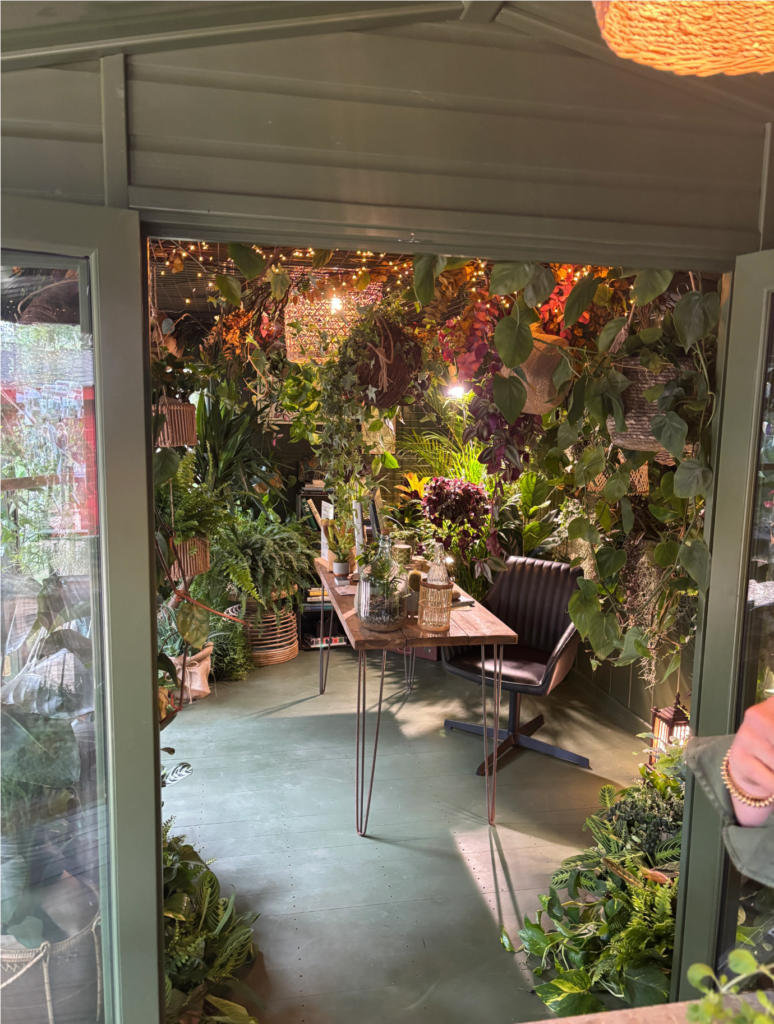
Another main theme running throughout the exhibition was the further implementation of “nature-friendly design” and sustainable concepts. Plants are being used to soften corners of home offices, bedrooms, and kitchens, improving mood and moderating sensory load, while being paired with biodegradable pots, peat-free substrates, and pet-friendly planting methods.
This indicates that indoor plants are no longer just a fleeting aesthetic preference, but are deeply intertwined with daily well-being, environmental choices, and lifestyles—caring about care methods while also considering the long-term impact of this greenery on the world.
8. Beyond Trends: Indoor Plants Enter the “Daily Construction” Stage
The message from Chelsea 2025 is clear: indoor plants have transformed from fashion labels into one of the fundamental elements shaping the character of living spaces. People use them to define boundaries, buffer emotions, express personal style, and, through more responsible care, attempt to establish a gentler relationship with nature.
When a resonance gradually emerges between the gold-medal booths, conceptual installations, and family living rooms, it indicates that what has truly matured in this field is an attitude: no longer chasing short-lived “hot trends,” but being willing to invest time, patience, and thought to allow plants to take root in the depths of life.