
If climate change is like a slowly heating pot, then industrialized agriculture is the fire that refuses to go out. In a small vegetable garden, a simple connection is reconnected between people and soil, plants and the dining table—no storage, no long journeys, straight from the soil to the bowl.
1. From “Thousands of Miles of Travel” to “Within Reach”
Large-scale commercial agriculture relies on mechanized tilling, synthetic fertilizers, and long-distance transportation, each step consuming fuel and emitting carbon. An ordinary vegetable often travels thousands of kilometers to reach the supermarket shelf.
The path in your own garden is extremely simple: sowing, growing, harvesting, washing, and eating—the journey is merely from the backyard to the kitchen, with carbon emissions approaching zero. More importantly, the soil itself, filled with fruits and vegetables, quietly fixes carbon in the roots and soil layers.
2. From Chemical Dependence to Self-Control
To maintain high yields in monoculture, commercial farms consume hundreds of billions of dollars worth of pesticides and fertilizers annually. Many of these disrupt the intricate mycorrhizal network in the soil, making the land increasingly reliant on pesticides.
In your own vegetable garden, you decide what to put in the soil and what to spray on the leaves:
- You can choose compost, minerals, and organic amendments to nourish the soil, rather than solely pursuing quick results.
- You can weigh pest control against the need for a good harvest and decide whether, when, and how to intervene.
This little bit of freedom makes “what to eat” more than just a list of ingredients; it becomes a choice you make yourself.
3. A Vegetable Garden: The Best Natural Classroom
The process of growing vegetables is, in fact, a dialogue with the seasons: observing the clouds to predict rain, feeling the soil to determine moisture levels, waiting for a flower to fade, and for a fruit to slowly ripen.
Children can learn about seed germination, root development, and fruiting cycles in the yard, instead of just seeing the term “growth cycle” in textbooks.
Adults, through repeated bending, weeding, and watering, also rediscover how a “harvest” grows from time and patience.
It’s a classroom without walls; the textbooks are the weather, insects, and leaves; the test is the freshly picked vegetable you serve on the table.
4. Nutrition Returns to “Tasty” Rather Than “Looking Good”
The industrial system favors uniform fruits and vegetables that can withstand long-distance transportation, making appearance the primary standard: uniform size, bright color, and minimal removal of blemishes. But what truly determines nutrition and flavor is the density of life in the soil beneath the roots.
A home garden offers another path:
- By continuously adding compost, organic matter, minerals, and biochar, the soil’s microbial community gradually becomes richer. – Through crop rotation and proper crop combinations, a plot of land isn’t depleted by a single crop, but rather revitalized through cycles.
The resulting fruit may have slightly unusual shapes, but it often possesses a greater aroma and sweetness—a flavor that storage and preservatives cannot replicate.
5. A Meal that Illuminates a Family’s Taste Buds and Emotions
No harvest is entirely controllable: some years tomatoes burst forth in abundance, while others basil struggles to survive the torment of rain and overcast skies. These fluctuations are the norm in a vegetable garden.
But as long as you keep planting, surprises will always appear:
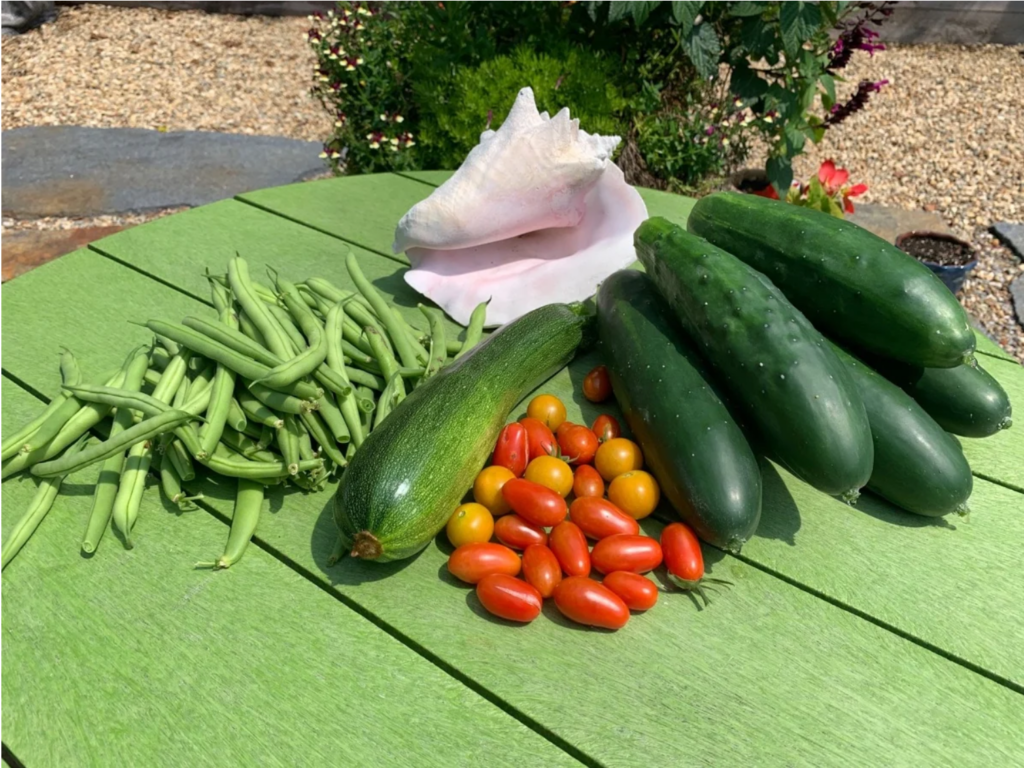
- More cucumbers than you can eat are shared with relatives and colleagues, making sharing itself a joy.
- Family members’ particular fondness for a certain homegrown vegetable will motivate you to plant more next year.
Even the once-disliked zucchini, with its bright yellow flower, makes you temporarily forget the harsh reality that “nobody likes it.”
6. A Gentle Counterattack Against a Massive System: Starting with a Pot of Herbs
Faced with a highly industrialized food system, individual efforts may seem insignificant, but every vegetable patch, every tomato plant on the balcony, is pulling a small portion of demand away from the long supply chain.
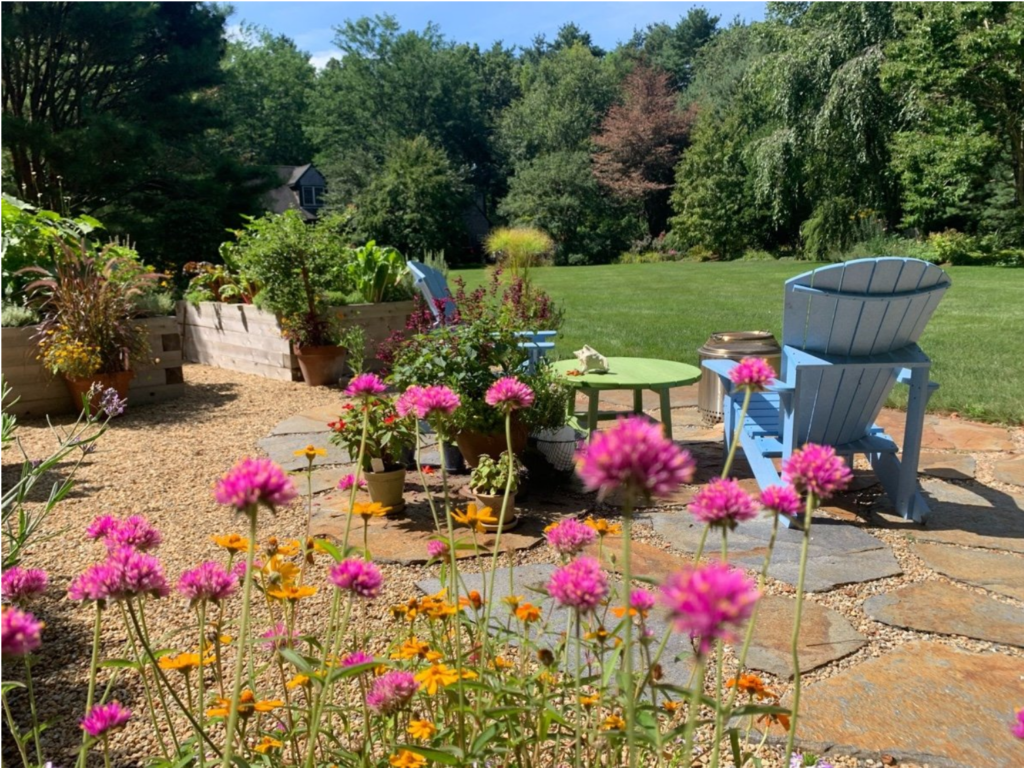
- You may not be able to own a whole backyard garden right away, but you can start by planting a few sprigs of rosemary, mint, or a pot of cherry tomatoes on your balcony.
- Even just replacing some frozen and processed foods with these fresh leaves is already easing the burden on industrial agriculture.
Growing vegetables does require time and effort, and sometimes you have to accept the seasons of failure, but the rewards are never just a basket of fruits and vegetables: it’s a small oasis where you can catch your breath, and the most concrete and gentle way to participate in the fight against climate change—starting from the dining table, going to the yard, and reaching your hands into the soil.