
After a busy week, looking back at the garden at the end of the workday, the grass is ankle-high, weeds are peeking out from the cracks in the paths, and poison ivy has inadvertently sprouted. Trying to “turn things around” in two days is unrealistic, but with a smart rhythm and strategy, weekend gardeners can still reap a healthy and beautiful garden.
1. Don’t Race Against Nature: Accept That You Can’t Finish Everything
Nature waits for no one. Even the most meticulously designed garden can turn into an unruly jungle within a season if neglected.
Instead of creating an impossible to-do list, acknowledge that weekend time is limited, and the goal is “continuous control,” not “a one-time cleanup.”
- Treat gardening as a long-term relationship, not a crash course.
- Accept that some work will have to wait until next weekend, or even next season.
This will actually help avoid overexertion leading to injury—like clearing poison ivy all at once, only to end up with two weeks of blisters.
2. Why Maintenance is Important: More Than Just Aesthetics
Ignoring your garden won’t just result in a “slightly messy” appearance; it will gradually accumulate into more difficult problems.
- Weak plants, soil degradation, and the dominance of invasive weeds.
- Increasing repair costs, sometimes requiring professional “garden emergency care.”
Conversely, a regularly maintained garden reduces soil erosion, provides habitat for wildlife, enhances the appearance and property value, and, most importantly, encourages people to leave their homes and enjoy outdoor spaces.

3. Controlling Workload from the Design Stage: Low Maintenance Isn’t About No Work, But Smart Layout
The first question professional designers often ask clients isn’t what flowers they want to plant, but rather, “How much time do you have each week for maintenance?”
- If time is limited, “reduce the workload beforehand” through design—choosing plants suitable for the environment and combining them with appropriate density and structure.
- Low-maintenance gardens aren’t inherently easy; they are the result of a combination of careful plant selection, soil preparation, construction, and ongoing maintenance.
Nature is constantly driving succession: weeds provide shelter for saplings, and small trees eventually become a forest. The meaning of a good garden is not to stop everything, but to “moderate the pace and maintain order” within a controllable area.
4. The Core Skills of a Weekend Gardener: Mastering the Rhythm, Not Relying on Sheer Strength
For an established garden, the most crucial thing is not how much you do in a day, but the pace at which you do it.
1. Set Limits for Your Body and Projects
- Change your posture or task every 30 minutes: Alternate between digging, pruning, and weeding to avoid repetitive strain injuries.
- Set a “stop time” in advance: Before dark or at a certain point, even if you’re still feeling energetic, stop and leave the rest for next week.
This “knowing when to stop” may seem conservative, but it ensures you have the energy to spend time with the garden long-term, rather than fighting a tough battle and being exhausted for weeks.
2. Start with the Most “Highlighted” Areas
Since weekends only allow for partial work, prioritize high-visibility areas like entrances, terraces, and main paths.
- These areas directly influence your mood when leaving and returning home each day, and also significantly impact the impressions of visitors and potential buyers.
- Small, meticulous touches are often more pleasing than large-scale, forced “full coverage.”
As for corners and remote areas, schedule them for when you have real time, rather than forcing them every weekend.
5. Learn to “Remain Still”: Give the Land Some Wild Space
Not every inch of land needs to be trimmed, paved, or planted with flowers.
- Consciously reserve an area for “rewilding,” allowing herbs, shrubs, and fallen leaves to evolve naturally.
- By selectively clearing fallen leaves—edges and wild areas can be preserved, while carefully cultivated areas should be moderately cleared—this balances ecological considerations with preserving the space you’ve invested your effort.
Rewilding doesn’t mean abandoning aesthetics; it’s more like an attitude of negotiation with nature: meticulous management in limited areas, while reclaiming time and space in other areas, resulting in a more relaxed maintenance pace.
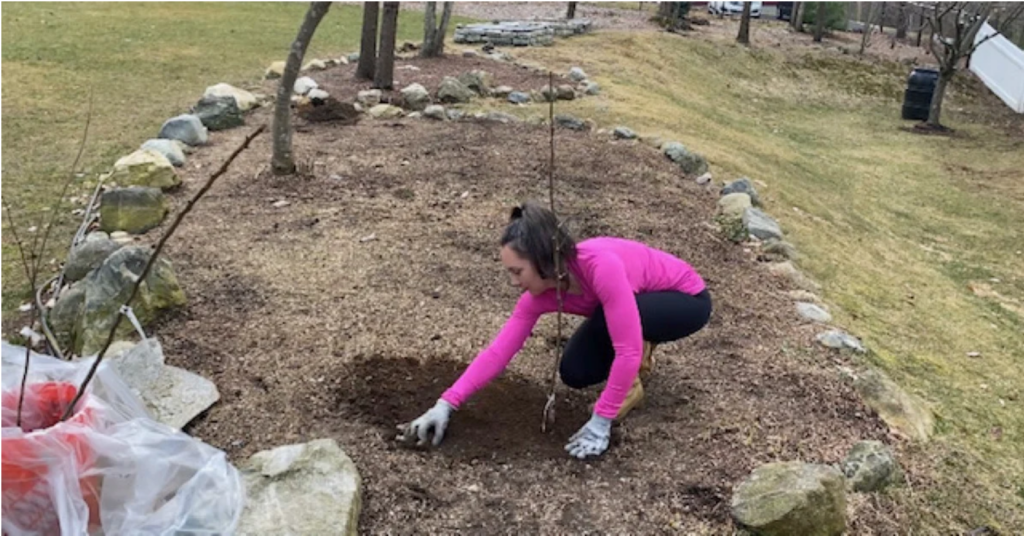
6. Native Plants and Introduced Species: Not a “Black and White” Approach
Some scholars suggest that using approximately 80% native plants paired with 20% “mild” non-native species is a compromise that balances ecology and aesthetics.
- Native plants adapt more easily to the local climate and provide more food and habitat for insects and birds.
- Carefully selected non-native plants can fill gaps in color, season, or structure. The prerequisite is: ensure they won’t proliferate uncontrollably in the local environment.
Don’t feel guilty about every “introduced” plant. With thorough research and rational selection, you can create a garden that is both nature-friendly and aesthetically pleasing.
7. Knowing When to Ask for Help is Also a Responsible Way to Care for Your Garden
When the workload clearly exceeds your personal capacity, weeds have become rampant, or certain tasks may pose safety risks, it’s time to consider involving a professional team.
- Professional “garden rescue” can help you determine which plants are worth keeping, which need to be decisively removed, and which areas can be simplified and restructured.
- After they restructure, your weekend routine maintenance will be much easier.
This is not a sign of failure, but a way to rebuild a partnership: let professionals help you bring the situation back to manageable status, and then you can slowly nurture its growth.
8. Treat Gardening as a Journey of Companionship, Not a Project List
Gardening is never a one-time project, but a long-term cycle: sowing, caring, observing, and adjusting, over and over again.
- Sometimes it’s setting up trellises under the scorching sun to protect a row of seedlings.
- Sometimes it’s simply pulling out a few unsightly weeds at dusk and trimming a branch that’s sticking out of the fence.
When you stop measuring each weekend by “whether it’s finished” and start asking yourself “did you spend time in the garden today?”, the “big results” will slowly accumulate in one inconspicuous little action after another. When you look back, you’ll find that not only has the garden changed, but your way of interacting with nature has also quietly changed.